Quitting marijuana, a substance often perceived as relatively harmless, can lead to a range of withdrawal symptoms that may surprise regular users. While the severity of these symptoms may not match those of opioids or alcohol, they can still significantly impact an individual's well-being during the detoxification process. From intense dreams and nightmares to physical discomfort, understanding marijuana withdrawal is essential for those seeking to break free from dependence on the substance.
One common and often unexpected symptom experienced by individuals quitting marijuana is the onset of vivid dreams and nightmares. Studies have shown a link between cannabis withdrawal syndrome (CWS) and disturbing dreams, with criteria for diagnosing CWS including irritability, lack of appetite, anxiety, depression, insomnia, and intense dreams. These symptoms can persist for varying durations depending on the frequency and duration of marijuana use prior to quitting.
The neurobiological effects of marijuana on the brain play a significant role in the development of withdrawal symptoms. The brain's cannabinoid receptor system, designed to interact with marijuana chemicals, can become disrupted, leading to alterations in neurotransmitter levels, particularly dopamine and serotonin. Daily marijuana smokers may develop a tolerance to excessive serotonin and dopamine levels, which can result in withdrawal symptoms such as intense dreaming after quitting marijuana due to a lack of these neurotransmitters in the brain.
Moreover, the nature of dreams and nightmares is essential to understanding their prevalence during marijuana detox. Nightmares often occur towards the end of the REM sleep cycle, resulting in vivid and memorable dream experiences. Withdrawal symptoms from marijuana, combined with disruptions in neurotransmitter levels, may contribute to frequent nightmares during the detoxification process.
Managing withdrawal symptoms, including nightmares, during marijuana detox requires a comprehensive approach. Medical detoxification programs may provide relief by offering medications to alleviate symptoms of cannabis withdrawal syndrome. These programs can be particularly beneficial for heavy users experiencing pronounced withdrawal symptoms.
Additionally, counseling and psychotherapy play a crucial role in treating marijuana addiction and managing withdrawal symptoms. Cognitive-behavioral therapy (CBT), family therapy, and motivational enhancement therapy (MET) are effective approaches to address the psychological aspects of addiction and help individuals develop coping strategies to navigate the challenges of withdrawal.
While treatment options for marijuana addiction continue to evolve, there is ongoing research into potential medications to alleviate withdrawal symptoms. Ambien, a drug prescribed for insomnia, and buspirone, an anti-anxiety medication, are being studied for their efficacy in reducing nightmares and sleep difficulties associated with marijuana detox. Nutritional supplements such as N-acetylcysteine and FAAH inhibitors may also help decrease the severity of cannabis withdrawal syndrome symptoms.
Recognizing the signs of marijuana addiction is the first step towards seeking treatment. Despite not always interfering with daily functioning, a marijuana addiction can have significant consequences for an individual's health and well-being. Signs of addiction may include being high for several hours every day, driving while under the influence, cravings for marijuana, and problems with memory and concentration.
In conclusion, understanding marijuana withdrawal and its associated symptoms is essential for individuals seeking to break free from dependence on the substance. By recognizing the neurobiological effects of marijuana on the brain, as well as the psychological aspects of addiction, individuals can access effective treatment options to manage withdrawal symptoms and achieve long-term recovery. With ongoing research into potential medications and therapeutic approaches, there is hope for those struggling with marijuana addiction to find relief and support on their journey to sobriety.

 FHE Health
 Mr. Stinky's Green Garden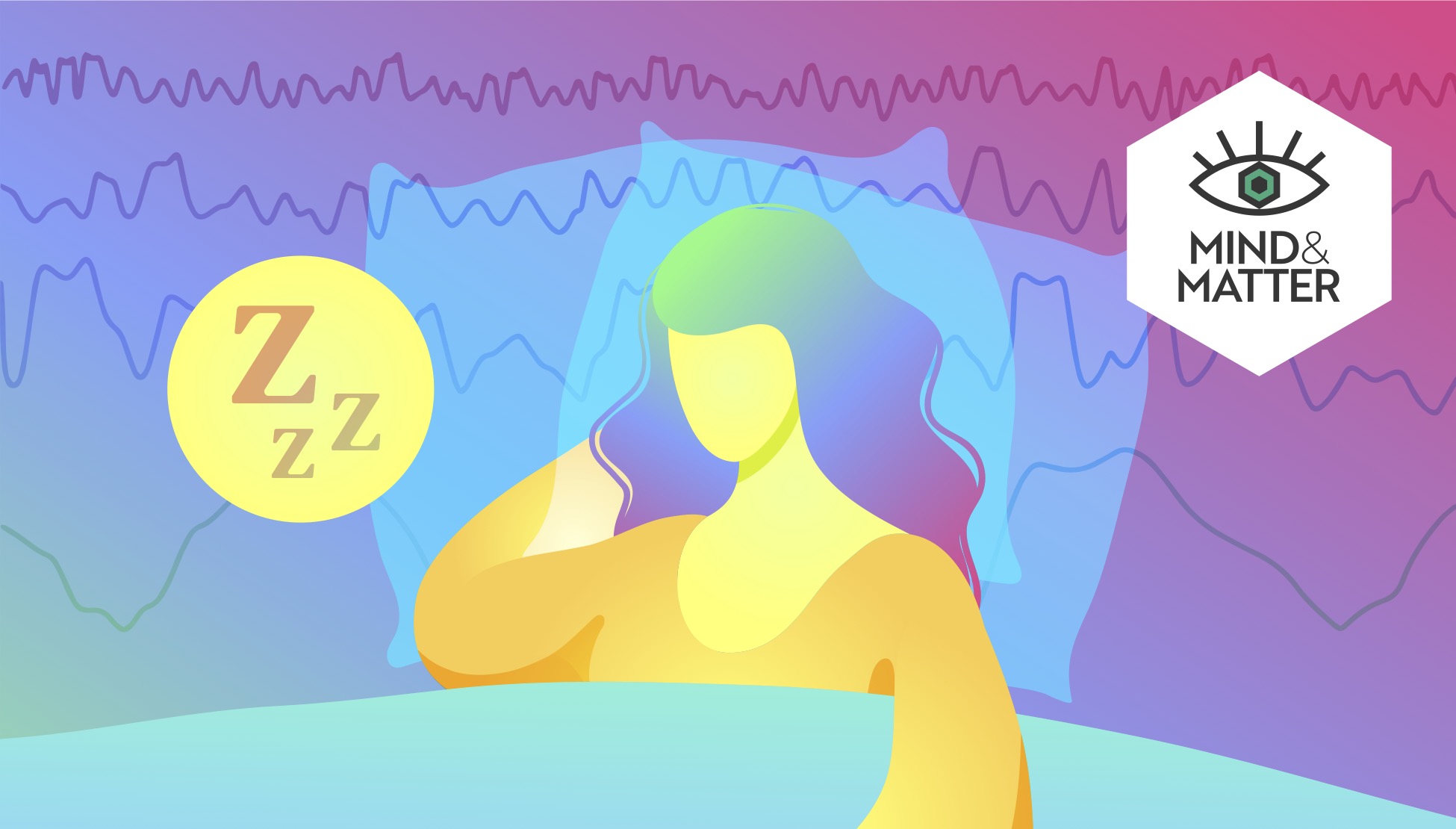
 Leafly
 Weedless.org
 Labroots

 Integrative Center For Wellness
 The Cut
:max_bytes(150000):strip_icc():format(webp)/VWM-WhatDoMarijuanaWithdrawalSymptomsFeel_final-1b6b86bc021647479ed738988c0d5d4c.png)
 Verywell Mind