In recent years, there has been a growing interest in the potential benefits of cannabis for individuals experiencing mood disorders. With research evolving and public perception shifting, cannabis is increasingly recognized not just for its recreational uses but also for its therapeutic potential. This article synthesizes insights from three significant studies: “How Cannabis Can Help with a Low Mood,” “Cannabis Use and Mood Disorders: A Systematic Review,” and “Cannabis and Mood Disorders,” highlighting the relationship between cannabis use and mood regulation.
Understanding Mood Disorders
Mood disorders, including depression and anxiety, affect millions of individuals worldwide. Symptoms can range from persistent sadness and irritability to severe mood swings, significantly impacting daily life. Traditional treatment options often include psychotherapy and pharmaceutical medications, but these can come with limitations and side effects. Consequently, many individuals are turning to alternative therapies, including cannabis, as a potential solution.
Cannabis: A Dual Nature
Cannabis contains numerous compounds known as cannabinoids, with tetrahydrocannabinol (THC) and cannabidiol (CBD) being the most studied. THC is primarily associated with the psychoactive effects of cannabis, while CBD is noted for its potential therapeutic properties without the high. Both compounds have been researched for their effects on mood regulation.
Easing Low Moods
The article “How Cannabis Can Help with a Low Mood” emphasizes that some individuals report relief from depressive symptoms after using cannabis. Users have described experiencing a sense of upliftment and improved mood, often attributing these changes to the calming effects of CBD and the euphoric highs produced by THC. Many find that cannabis allows them to escape their feelings of despair, albeit temporarily, providing a sense of comfort and relaxation.
Evidence from Systematic Reviews
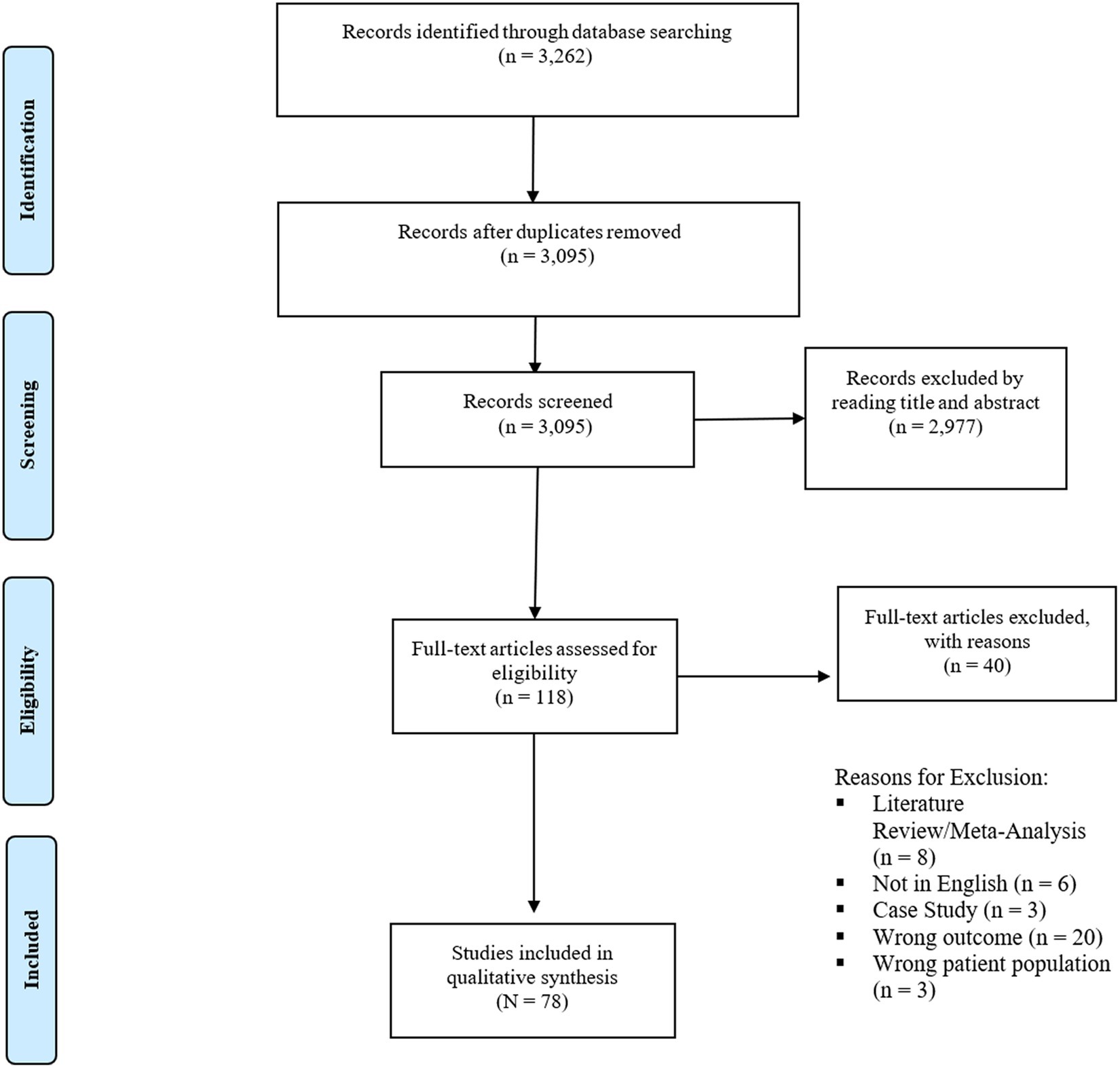
In “Cannabis Use and Mood Disorders: A Systematic Review,” researchers evaluated numerous studies examining the link between cannabis use and mood disorders. While the findings were varied, the review noted that some studies indicated a reduction in depressive symptoms among regular cannabis users. It suggested that cannabis could play a role in mood stabilization for certain individuals. However, the review also highlighted the complexities surrounding cannabis use, noting that while some may find relief, others could experience exacerbated symptoms or increased anxiety.
The Mood Disorder Spectrum
The study “Cannabis and Mood Disorders” explored the intricacies of cannabis's impact on mood disorders. It pointed out that the relationship is not straightforward; factors such as dosage, frequency of use, and individual biology play critical roles in how cannabis affects mood. Some users may find that cannabis helps alleviate symptoms, while others might experience negative effects, leading to worsened mood disorders.
The Need for Caution
Despite promising findings, the articles collectively stress the importance of caution. Self-medication with cannabis can lead to potential dependency, and the effects can vary widely among individuals. Furthermore, some studies suggest that excessive cannabis use might contribute to the onset of mood disorders in predisposed individuals. Therefore, while cannabis may offer therapeutic benefits for some, it is crucial for users to approach it mindfully and under medical supervision.
Conclusion: A Path Forward
As research into cannabis and its effects on mood disorders continues to evolve, it is becoming increasingly clear that there is no one-size-fits-all solution. While some individuals may find cannabis to be a helpful tool in managing their mood, others may not experience the same benefits. This nuanced understanding reinforces the need for further research, tailored treatment approaches, and open dialogues between patients and healthcare providers.
In a landscape where mental health treatments are constantly being reevaluated, cannabis presents both potential benefits and significant challenges. For many, it symbolizes hope for relief in a world that often feels heavy with the burden of mood disorders.
 Frontiers
 Mr. Stinky's Green Garden
 National Center for Biotechnology Information